Anxiety Relief Bundle: 4-in-1 Calm Toolkit for Daily Use
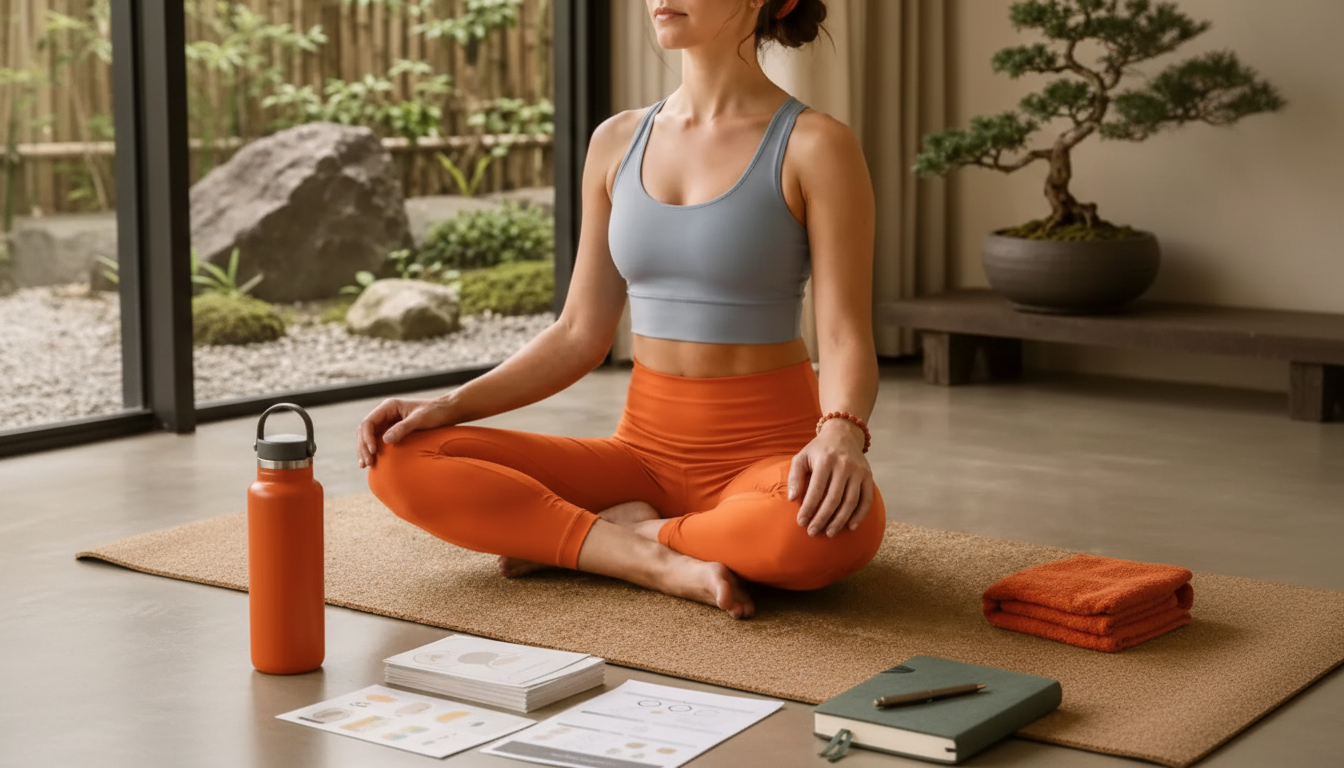
The Anxiety Relief Bundle: A Path to Calm
Anxiety can feel unpredictable—racing thoughts, a tight chest, restless sleep, and a constant sense of being “on edge.” When symptoms spike, it’s easy to forget what helps, or to bounce between too many tips without a clear plan. A structured toolkit makes it easier to respond in the moment and build steadier habits over time.
The Anxiety Relief Bundle: A Path to Calm brings together four practical components—mindfulness exercises, positive-thinking prompts, a printable checklist, and a course-style outline—so you can read, practice, check off, and repeat. It’s designed for real life: short sessions, clear steps, and a simple way to track what’s working.
What’s Included in the 4-in-1 Bundle
- Mindfulness exercises designed for quick grounding and longer practice sessions
- Positive-thinking prompts to challenge unhelpful thought loops and reframe stressors
- A printable checklist that turns coping skills into a simple daily routine
- A course-style outline to follow week by week, so progress feels organized rather than random
- Formats that work well for self-paced learning: read, practice, check off, repeat
Instead of trying to remember techniques when you’re already overwhelmed, the bundle helps you “externalize” the plan—so your next step is visible and doable, even on a stressful day.
Who This Bundle Helps Most
- People who feel overwhelmed by too many coping options and want a clear starting point
- Busy schedules that benefit from short, structured practices (5–15 minutes)
- Those who do better with written guidance, prompts, and checklists rather than “just meditate” advice
- Anyone building a steady routine for stress and anxious spirals (not only crisis moments)
- Readers who want practical tools to pair with therapy or coaching (if used)
If you’re already learning about anxiety from reputable sources, pairing education with daily practice can help bridge the gap between “knowing” and “doing.” For background on how anxiety can show up and why it can feel so persistent, see the National Institute of Mental Health (NIMH) overview of anxiety disorders and the American Psychological Association (APA) resource on anxiety.
A Simple Weekly Path to Calm (Using the Course Outline)
The course outline is meant to reduce “random” effort. Each week has a purpose: first awareness, then grounding, then thought shifts, then maintenance. You can repeat the cycle whenever stress increases, or stretch it out if you prefer a slower pace.
Example weekly structure
| Week | Focus | Daily practice (10–15 min) | Printable support |
|---|---|---|---|
| 1 | Awareness & patterns | Trigger note + 3-minute breathing | Baseline check-in checklist |
| 2 | Grounding & mindfulness | Body scan + senses grounding | Mindfulness practice tracker |
| 3 | Thought reframing | Reframe one worry + gratitude prompt | Positive-thinking worksheet |
| 4 | Routine & resilience | Choose 2 skills + end-of-day review | Maintenance checklist |
- Week 1: Establish a baseline—identify common triggers, body sensations, and unhelpful thought patterns
- Week 2: Add foundational mindfulness—breath awareness, body scan, and “name what’s present” exercises
- Week 3: Practice cognitive shifts—replace all-or-nothing thinking with balanced alternatives
- Week 4: Build a maintenance routine—combine checklist habits with quick resets for stressful days
- Optional extension: Track what works best and create a personalized “calm plan” for repeat situations
Mindfulness Exercises That Fit Real Life
Mindfulness doesn’t have to be long or perfect to be helpful. The goal is often to interrupt escalation, reconnect with the body, and practice returning attention—so anxious thoughts don’t automatically drive the day.
- Quick grounding for spikes: 5-4-3-2-1 senses scan, temperature change (cool water), and steady exhale pacing
- Body-based calm: gentle muscle release, posture reset, and short body scans to reduce tension feedback loops
- Attention training: noticing thoughts as events rather than facts, then returning to a chosen anchor (breath/sound)
- Consistency over intensity: short daily practice tends to be easier to maintain than occasional long sessions
- Safety note: if mindfulness increases distress for certain trauma histories, shorten sessions and consider professional guidance
On days when you’re short on time, a single “steady exhale” minute (slower exhale than inhale) can be a practical reset. On calmer days, a longer body scan can help you notice early tension—before it becomes a full stress spiral.
Positive Thinking Without Forced Positivity
Positive thinking works best when it’s realistic and evidence-based—not when it tries to erase problems. The prompts in the bundle are built to help you challenge the mental habits that keep anxiety going, especially catastrophic predictions and self-critical language.
How to Use the Printable Checklist to Stay Consistent
Supportive Add-Ons for Stress and Relationships
- For body stress and daily pressure, consider Break the Tension: Stress Relief Techniques to layer quick resets with practical planning strategies.
- If anxiety is fueled by misunderstandings or repeated arguments, Conflict-Resolution Workbook for Couples can support calmer conversations and clearer boundaries.
When to Consider Extra Support
FAQ
How quickly can results show up with a bundle like this?
Some people feel a noticeable shift after the first grounding practices, especially for acute spikes. More reliable change usually comes from daily repetition over a few weeks—tracking sleep, tension levels, and worry intensity can help you see progress you might otherwise miss.
Is this meant to replace therapy or medication?
No. It’s a self-guided support tool that can complement therapy, coaching, or medical care, especially for building consistent daily skills. If symptoms are severe, persistent, or impacting safety, professional guidance is the right next step.
What if mindfulness makes anxiety feel worse at first?
Try shorter sessions, keep your eyes open, and use senses-based grounding or gentle body-based practices instead of long silent sits. If distress escalates or you have a trauma history, pause and consider trauma-informed professional support.











Leave a comment