Indoor Cat Enrichment: DIY Toys & Simple Play Routines
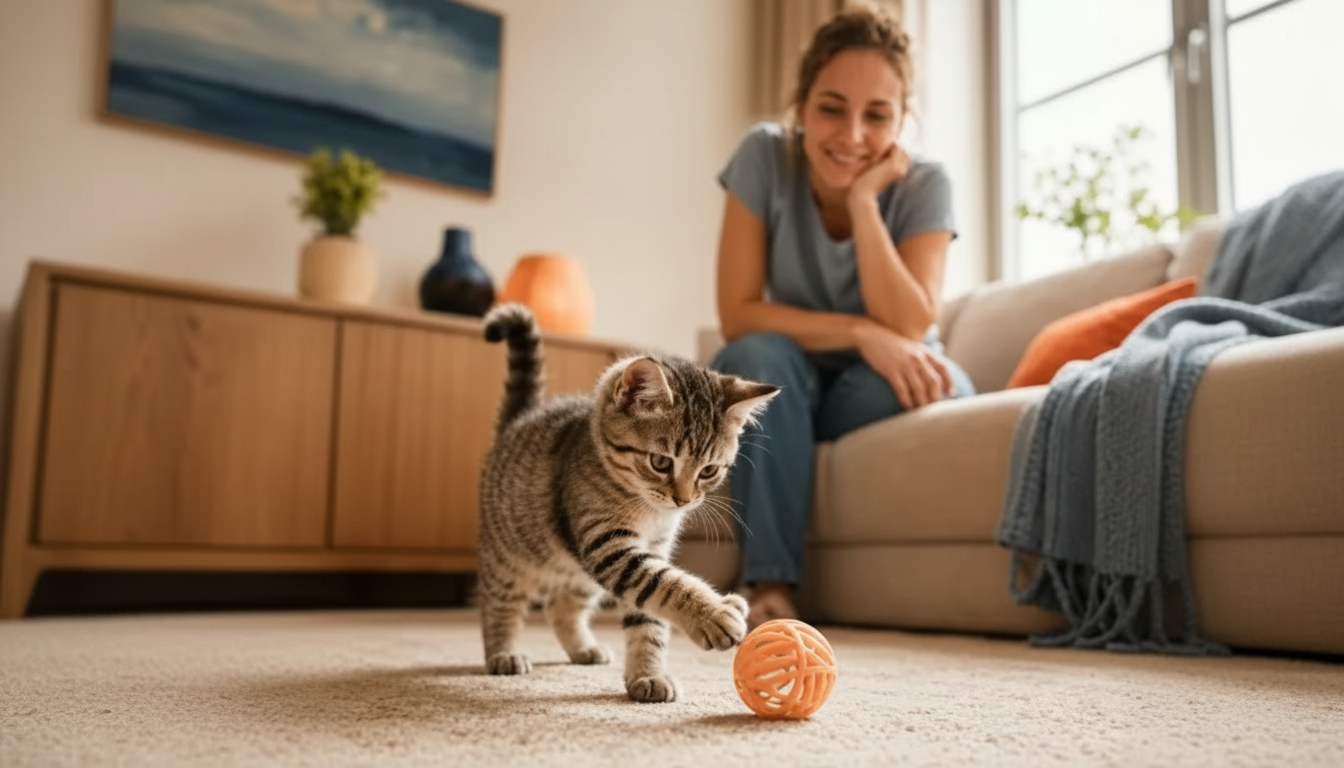
Enrichment Ideas for Indoor Cats: DIY Toys, Play Routines, and Cat-Friendly Home Tips
Indoor cats can thrive when their days include hunting-style play, problem-solving, climbing, scratching, and safe novelty. The ideas below combine quick DIY activities with simple home setup tweaks and a repeatable routine so boredom behaviors (night zoomies, overgrooming, attention yowling) are less likely to take hold.
What “enrichment” means for an indoor cat
Enrichment is anything that helps an indoor cat express natural behaviors in a safe, home-friendly way. It’s not about constant excitement; it’s about giving your cat the right outlets so calm comes more easily afterward.
- Meet core needs: hunt, climb, scratch, chew (some cats), observe, and rest in safe high places.
- Balance stimulation and calm: short bursts of play followed by food and a nap often mirror natural cycles.
- Notice individual preferences: some cats prefer wand play; others prefer fetch, scent games, or puzzle feeding.
- Aim for variety without chaos: rotate activities so novelty stays high while the home remains predictable.
For deeper behavior and enrichment guidance, consult trusted resources like the American Association of Feline Practitioners (AAFP) and the Cornell Feline Health Center.
Set up a cat-friendly home in small, high-impact steps
A few strategic “yes zones” can change how your cat uses the home—especially in smaller spaces. Focus on vertical territory, scratch access, and comfortable retreats so your cat can move, watch, and decompress without competing with people-traffic.
- Create vertical territory: a cat tree, wall shelves, or a cleared bookcase level can reduce stress and increase movement.
- Add “lookout” zones: window perches or a chair by a window; consider a bird feeder outside for safe viewing.
- Improve scratching options: place one vertical scratcher near sleeping areas and one near social spaces; use different textures (sisal, cardboard).
- Build hiding and retreat spots: boxes, covered beds, or a towel-draped chair; ensure at least one quiet space per cat.
- Use calm sensory enrichment: cat-safe grasses, silvervine/catnip rotation, and occasional new safe scents (e.g., a paper bag with a treat trail).
- Make resources easy to access: multiple water stations, litter boxes in low-traffic areas, and separate feeding from litter when possible.
DIY enrichment toys from household items
DIY toys work best when they’re simple, supervised when needed, and easy to rotate. When interest drops, put the item away for a few days—novelty is a powerful “reset” for many cats.
- Paper roll treat puzzle: fold ends of a toilet paper roll, cut small holes, add a few kibbles; supervise if the cat shreds cardboard.
- Crinkle-and-hide hunt: crumple paper into loose balls and hide them under a blanket edge for “dig and pounce” play.
- Box maze: connect a few boxes with cut “doorways” to create a short exploration route; add a toy or treat at the end.
- Sock kicker: tie a knot in an old sock, optionally insert crinkle paper; reserve it for supervised play if chewing is intense.
- DIY wand refill: tie strips of fleece or a ribbon to an existing wand string; avoid long unattended strings that can be swallowed.
- Ice “prey” (warm climates): freeze a small treat in a shallow dish of water; offer on a washable mat for lick-and-bat engagement.
Play routines that work with busy schedules
Consistency beats intensity. Two predictable “anchor” sessions can improve behavior more than occasional long play that happens at random times.
Sample 7-Day Indoor Cat Enrichment Routine (mix-and-match)
| Day | Morning (5–10 min) | Midday (2–5 min) | Evening (5–15 min) |
|---|---|---|---|
| Mon | Wand chase + 5 kibble scatter | Window perch + birdwatch | Box maze exploration |
| Tue | Treat puzzle (paper roll) | Short clicker session (sit/touch) | Fetch or ball track |
| Wed | Stalk-and-pounce with feather lure | Scent trail (treats in 3 spots) | Laser-to-toy-to-snack sequence |
| Thu | Climb circuit (cat tree/shelves) | Brush/groom break | Kicker toy wrestling (supervised) |
| Fri | Food puzzle bowl or snuffle mat | New object investigation (paper bag) | Hide-and-seek toy under blanket edge |
| Sat | Training: carrier or harness calm practice | Catnip/silvervine rotation | Longer wand session + cooldown |
| Sun | Quiet enrichment: lickable treat on mat | Sunbeam nap + gentle petting | DIY wand refill “hunt cycle” |
Food and brain games that reduce boredom
For additional cat care and behavior basics, the ASPCA cat care resources can be a helpful reference.
Safety and stress signals to watch for
Printable guide: a simple way to keep enrichment consistent
If you want a ready-to-use plan, Printable Cat Enrichment Guide: DIY toys, play routines, and home tips is designed to make rotation simple and repeatable.
For households that also want easy, structured calm-down habits (especially during stressful weeks), Break the Tension: Stress Relief Techniques can complement a more peaceful home routine.
FAQ
How much play does an indoor cat need each day?
Most indoor cats do well with about 10–30 minutes total per day, split into short, focused sessions. Kittens and high-energy cats often need more, while seniors may prefer gentler bursts followed by a snack and rest.
What are easy DIY enrichment toys that are safe?
Good options include a paper roll treat puzzle, a simple box maze, and crumpled paper “prey” for supervised pounce play. Avoid unattended strings or ribbons, remove small breakable parts, and supervise cats that shred and swallow cardboard or fabric.
How can nighttime zoomies be reduced?
Run a predictable evening routine: active hunt-style play, a small snack, then lights-down quiet time. Add daytime micro-sessions and easy access to perches and scratchers; if zoomies or behavior changes appear suddenly, check with a veterinarian.











Leave a comment