Pet Travel Essentials Checklist: Safe Road Trips & Flights
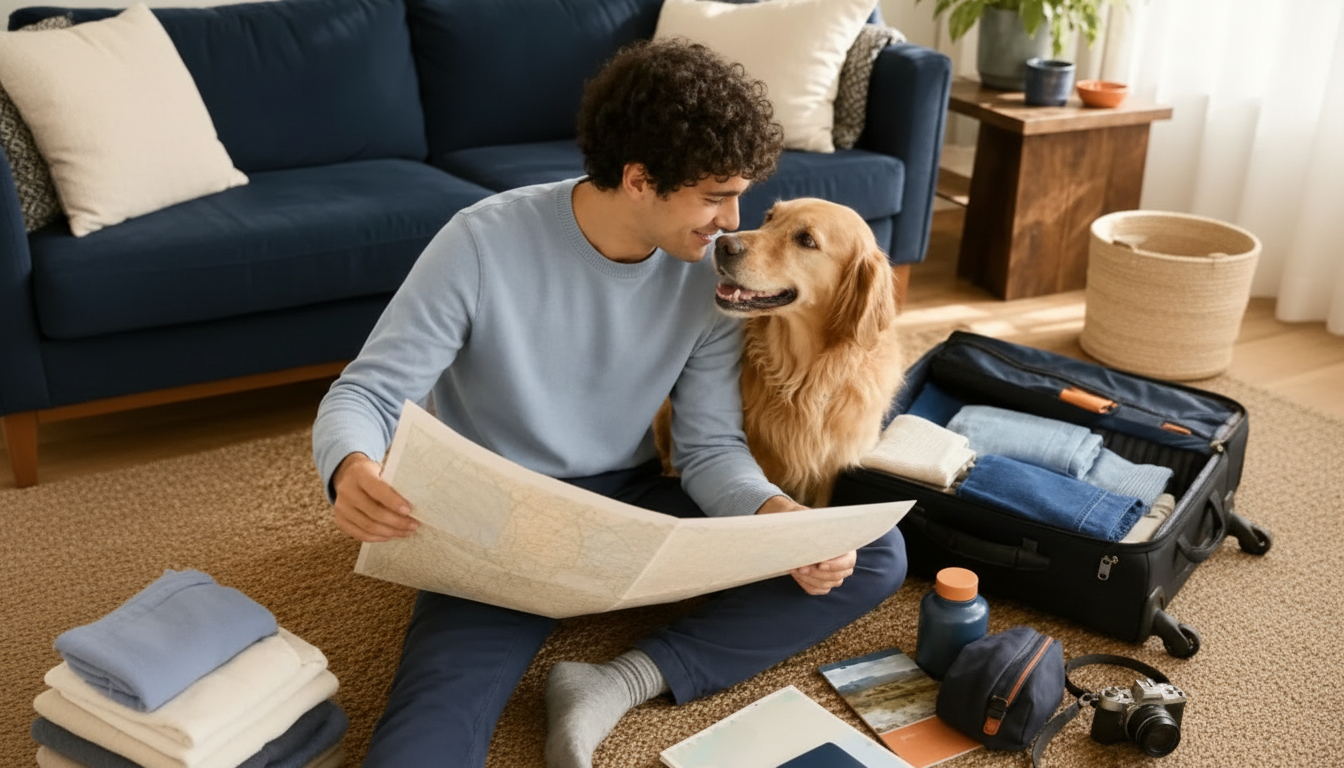
Pet Travel Essentials Checklist for Safe Trips (Printable Planner for Road Trips and Vacations)
Traveling with a dog or cat goes smoother when you treat packing like a safety routine—not a last-minute scramble. The goal is simple: bring what your pet needs to stay identified, comfortable, hydrated, and secure, while keeping paperwork and emergency options ready if plans change. A repeatable checklist system helps for quick errands, multi-day road trips, flights, and overnight stays.
Start with a quick travel plan (before packing)
Before you grab a bag, take five minutes to define the trip and your pet’s readiness. This prevents overpacking and avoids the truly costly misses (like incomplete documents or an unsafe restraint).
- Confirm the travel type: day trip, multi-day road trip, flight, hotel stay, camping, or visiting family.
- Check current health status: appetite, energy level, mobility, and any chronic conditions that affect travel tolerance.
- Schedule a vet visit if needed: vaccines, parasite prevention, or guidance for anxiety/motion support.
- Verify destination rules: pet fees, breed/size restrictions, leash rules, and nearby emergency clinics.
- Set a feeding and potty schedule: align meals and breaks to travel time blocks to reduce stomach upset and accidents.
For U.S. travel requirements and health-related guidance, it’s smart to review official resources such as the American Veterinary Medical Association (AVMA) travel tips and the CDC guidance for bringing animals into the United States.
Core packing categories that cover most trips
If you’re building a “works-for-most-trips” kit, these categories cover the essentials without turning your trunk into a pet supply closet.
- Identification and documents: collar tag, microchip info, vaccination records, and any required travel certificates.
- Food and water: measured meals, treats, collapsible bowls, and a plan for clean water access.
- Containment and restraint: carrier/crate, seat-belt harness, tether, or baby gates based on vehicle and pet size.
- Hygiene and cleanup: waste bags, litter supplies (cats), paper towels, enzyme cleaner, and a small trash kit.
- Comfort and routine: familiar blanket, favorite toy, calming wrap (if used), and a stable sleep setup.
If you like having everything in one place (including a trip planner page and pack-out checkboxes), Printable Pet Travel Essentials Checklist and Travel Planner is designed specifically for dog and cat travel—helpful when you’re juggling packing, feeding times, and paperwork.
Safety essentials for car travel
Car travel is where routine matters most. Most problems happen when a pet is loose, overheats during a quick stop, or gets stressed from inconsistent breaks.
- Secure your pet every time: use a crash-tested harness or a properly secured crate to reduce injury risk.
- Never allow a pet to ride loose: it increases distraction risk and can cause injury in sudden stops.
- Plan rest stops: offer water and a leash-controlled potty break; avoid hot pavement and crowded areas.
- Temperature control: never leave pets in a parked car; bring sunshades and airflow support as needed.
- Motion comfort: pack wipes, a towel, and a change of bedding in case of drool or nausea.
Quick safety check before hitting the road
| Check | What to look for | Fix before leaving |
|---|---|---|
| Restraint | Harness fits snugly or crate latched and anchored | Adjust fit; anchor crate; replace worn straps |
| ID | Tag readable; microchip info up to date | Update contact info; add temporary travel tag |
| Hydration | Water accessible; bowl packed | Fill bottle; prep small travel bowls |
| Emergency plan | Nearest vet and emergency clinic saved | Save addresses; print as backup |
| Comfort | Familiar bedding onboard | Add blanket; reduce sliding with non-slip mat |
Air travel and long-distance travel notes (when applicable)
Flights and long-distance trips add stricter carrier rules and more transitions—both of which can spike stress for dogs and cats if you’re not prepared.
For international or regulated travel, check USDA APHIS pet travel information well ahead of time so you’re not surprised by documentation timelines.
A practical checklist that prevents last-minute misses
If you also tend to feel frazzled during travel days, keeping a simple calming routine can help you stay consistent with your pet’s schedule. Some travelers pair their packing plan with a short stress routine like Break the Tension: Stress Relief Techniques so the “human side” of the trip stays steady, too.
Medications, first aid, and emergency readiness
For travelers who want everything in one “grab and go” system, the Pet Travel Essentials Checklist for Safe Trips helps you track meds, documents, and emergency details alongside packing—especially useful when you’re coordinating multiple pets.
Using a printable travel planner (simple routine that works)
If you want a structured template that’s ready to print, keep, and reuse, Printable Pet Travel Essentials Checklist and Travel Planner is built around the same “master page + trip page + packing page” routine so you can prep faster next time.
FAQ
What should always be in a pet travel bag for any trip?
Bring the non-negotiables: ID (tag and microchip info), leash/harness, food, water, bowls, medications, cleanup supplies (waste bags/wipes), and one familiar comfort item. Keep key documents and a current pet photo available as a backup in case you’re separated.
How often should dogs and cats take breaks on a road trip?
Most dogs do well with a break about every 2–3 hours for water and a leash-controlled potty walk. Cats typically need fewer stops, but it’s still wise to offer quiet check-ins and water; puppies, seniors, and pets with medical needs may require more frequent breaks.
Is it safe to give pets calming medication for travel?
Only use calming medication under veterinary guidance, since unsupervised sedation can be risky and may interact with health conditions. Many pets do better with preparation steps like gradual car practice, carrier training, and a consistent travel-day routine.












Leave a comment