10 Must-See U.S. National Parks: Fast Facts & Planning
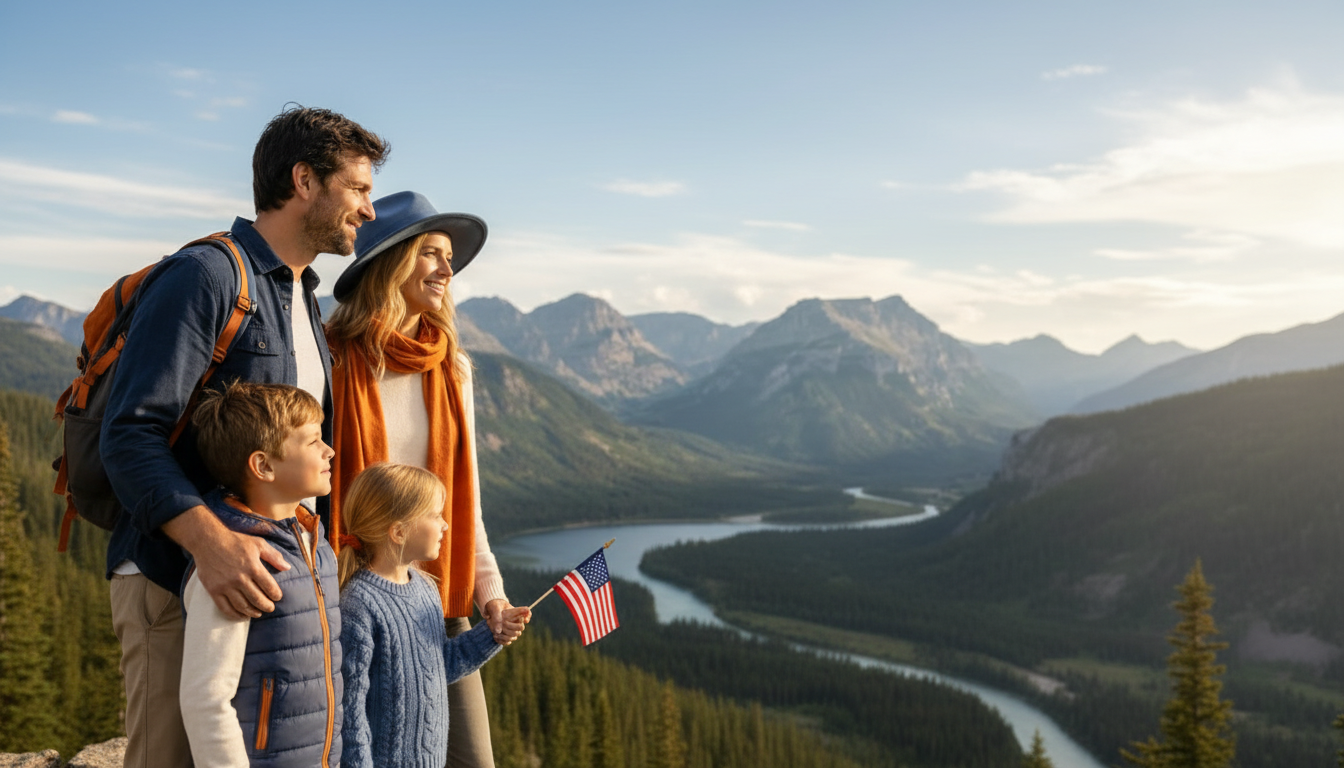
Top 10 Must-See U.S. National Parks + Fast Facts: A Digital Travel Guide for Nature Lovers, Hikers & Adventure Planners
Iconic views are only part of what makes a national park trip unforgettable. The best experiences come from choosing the right season, knowing what to prioritize, planning realistic drives and hikes, and preparing for permits, weather, and wildlife. This guide organizes fast facts and practical planning tips around 10 standout U.S. national parks—so itineraries stay flexible, days feel less rushed, and the trip matches the kind of adventure being planned.
What Makes These 10 Parks Stand Out
- Landscape variety: desert canyons, alpine peaks, coastal cliffs, geyser basins, and ancient forests—options for wildly different trip styles.
- Range of effort levels: some parks reward scenic drives and short walks, while others save signature viewpoints for longer hikes.
- Seasonal flexibility: choices for shoulder-season value, winter-friendly access, and classic high-summer conditions.
- Planning practicality: well-documented routes, famous viewpoints, and established visitor services that help first-timers and repeat visitors alike.
Quick-Plan Snapshot: 10 Parks, What They’re Known For, and a Simple Time Budget
| National Park | Signature Highlights | Best For | Suggested Time |
|---|---|---|---|
| Grand Canyon | Rim viewpoints, sunrise/sunset, corridor trails | Scenery, geology, classic overlooks | 1–3 days |
| Yosemite | Granite cliffs, waterfalls, high-country drives | Big-view hikes, photography | 2–4 days |
| Yellowstone | Geysers, hot springs, wildlife corridors | Geothermal features, animals | 3–5 days |
| Zion | Canyon hikes, river walks, towering walls | Day hikes, shuttle access | 2–3 days |
| Arches | Natural stone arches, desert sunsets | Short hikes, iconic formations | 1–2 days |
| Rocky Mountain | Alpine lakes, high-elevation roads, wildlife | Mountain drives, peak-season hikes | 2–4 days |
| Acadia | Rocky coastline, sunrise points, carriage roads | Coastal walks, biking | 2–3 days |
| Great Smoky Mountains | Forest ridges, scenic drives, historic sites | Easy access, family trips | 2–4 days |
| Glacier | Glacial valleys, Going-to-the-Sun Road | Scenic drives, alpine trails | 3–5 days |
| Olympic | Rainforest, beaches, mountain ridges | Multi-ecosystem trip variety | 3–5 days |
Fast Facts That Make Planning Easier
- Access patterns: some parks revolve around a single corridor road (simple to structure), while others reward committing to one region per day to reduce backtracking.
- Crowd dynamics: sunrise and late afternoon often feel calmer at major overlooks; midday can be ideal for visitor centers, museums, and shaded walks.
- Elevation and heat: high-country parks can trigger altitude fatigue; desert parks can become unsafe without extra water and early starts.
- Wildlife etiquette: keep distance, use binoculars/zoom lenses, and expect animal jams—build buffer time for slow traffic.
- Connectivity: cellular service can be limited; download offline maps and save reservation confirmations before arrival.
For park-by-park logistics and quick decision-making, keep a compact reference on your phone: Top 10 Must-See U.S. National Parks + Fast Facts | Digital Travel Guide eBook for Nature Lovers, Hikers & Adventure Planners.
Season-by-Season Trip Strategy
- Spring: strong for waterfalls and shoulder-season value; watch for snow closures at higher elevations and muddy trails.
- Summer: longest daylight and full services; expect timed entry or shuttles at popular parks and plan early starts to beat heat and parking limits.
- Fall: cooler hiking temps and foliage in certain regions; some services scale back after peak weeks.
- Winter: fewer crowds and a different look at iconic scenery; traction devices, closed roads, and limited lodging can reshape plans—focus on accessible zones.
Building a 3-Day Itinerary That Doesn’t Feel Rushed
- Choose one anchor area per day: a primary drive or trail corridor plus one nearby add-on stop.
- Use a simple daily rhythm: sunrise viewpoint → mid-morning hike → afternoon scenic drive or visitor center → golden-hour overlook.
- Prioritize one big hike: pick a single longer hike for the whole trip and keep other days flexible with shorter walks.
- Add buffer blocks: plan 60–120 minutes daily for parking, shuttle waits, wildlife delays, and photo stops.
- Keep a bad-weather backup: scenic drives, museums, ranger talks, or low-exposure trails for storms, smoke, or heat advisories.
Permits, Reservations, and Entry Planning
Helpful planning starting points include the National Park Service (NPS) Find a Park directory and Recreation.gov for common campground and timed-entry reservations.
Gear and Safety Basics for Hikers and Day Trippers
For low-impact travel reminders that apply everywhere—from desert crusts to alpine meadows—review Leave No Trace’s 7 Principles.
A Handy Digital Companion for Trip Planning
If trip prep tends to feel overwhelming, these digital add-ons can help keep your planning sessions calmer and more organized: Break the Tension: Stress Relief Techniques and The Anxiety Relief Bundle: A Path to Calm.
FAQ
How many days are enough for a first national parks trip?
Plan 3–5 days for one big park, or 7–10 days for a multi-park loop with driving days built in. Travel time between regions, timed-entry windows, and how demanding your hikes are can easily add a half-day (or more) to what looks close on a map.
What should be booked in advance for popular national parks?
Common items include timed entry, campgrounds or in-park lodging, popular tours, shuttle tickets where applicable, and backcountry permits. Check official park updates and reservation release schedules early, since many peak-season dates disappear quickly.
What are the essentials to pack for a day of hiking in a national park?
Bring plenty of water, snacks, layers, sun protection, a headlamp, basic first aid, offline navigation, and an emergency whistle. Add park-specific items when needed—like traction devices for icy conditions or bear spray where it’s recommended.












Leave a comment