Wind Down at Night: Easy Evening Routine Ideas
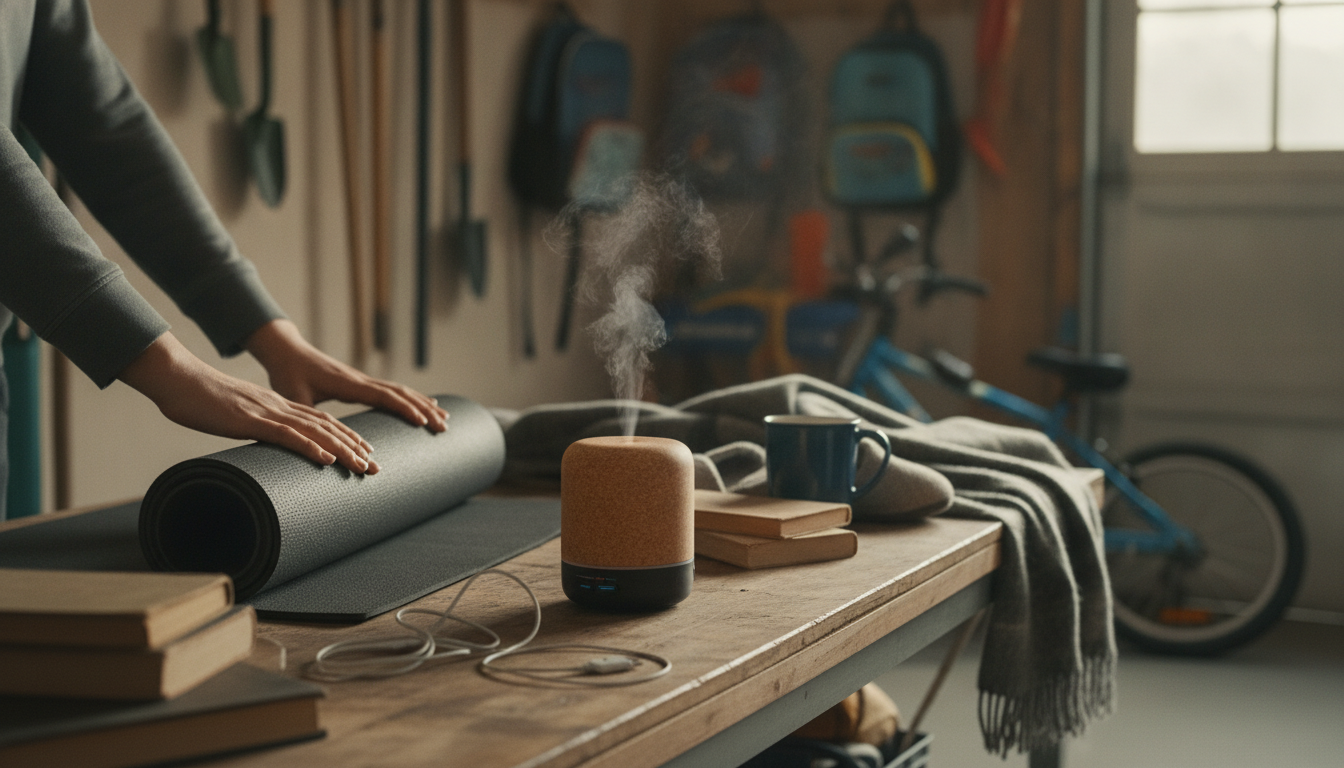
What to do in the evening to wind down?
Winding down at night works best when it’s consistent, low-stimulation, and easy to repeat. The goal is to signal to your brain and body that the day is done—without accidentally revving yourself up with bright screens, intense workouts, or stressful tasks.
Start with a simple “shutdown” ritual
Spend 5–10 minutes closing out the day: tidy one small area, set out what you’ll need tomorrow, and write a quick to-do list so your mind doesn’t keep rehearsing it in bed. Keeping it short prevents the ritual from turning into another chore.
Dim lights and cut stimulation
Lowering lights after dinner can help your body shift toward sleep mode. If you’re using devices, reduce brightness and avoid fast-paced content that keeps you mentally “on.” Quiet background music or a white-noise machine can make the transition feel smoother.
Choose one calm activity you actually enjoy
Pick something that feels restful, not “productive”: reading a few pages, light stretching, journaling, a warm shower, or an easy hobby like puzzles or coloring. Keep the bar low—15 to 30 minutes is plenty.
Try a quick relaxation reset
If your mind is racing, use a short breathing pattern (like slow inhales and longer exhales) or a 5-minute body scan to release tension. Gentle movement—neck rolls, hip openers, or a short walk—can also take the edge off without energizing you.
Keep food and drinks sleep-friendly
Avoid heavy meals and alcohol close to bed if they disrupt your sleep. If you want something warm, consider herbal tea or warm water with lemon, and keep caffeine earlier in the day when possible.
For a fuller set of evening routine ideas you can mix and match, visit https://reliablehitsrealm.shop/what-to-do-in-the-evening-to-wind-down/.
FAQ
How can I fall asleep faster without using my phone?
Keep a book or magazine by your bed, dim the lights, and do 3–5 minutes of slow breathing. If thoughts keep popping up, jot them on paper and return to reading until you feel drowsy.










Leave a comment