Reusable Zero-Waste Packing Checklist for Greener Trips
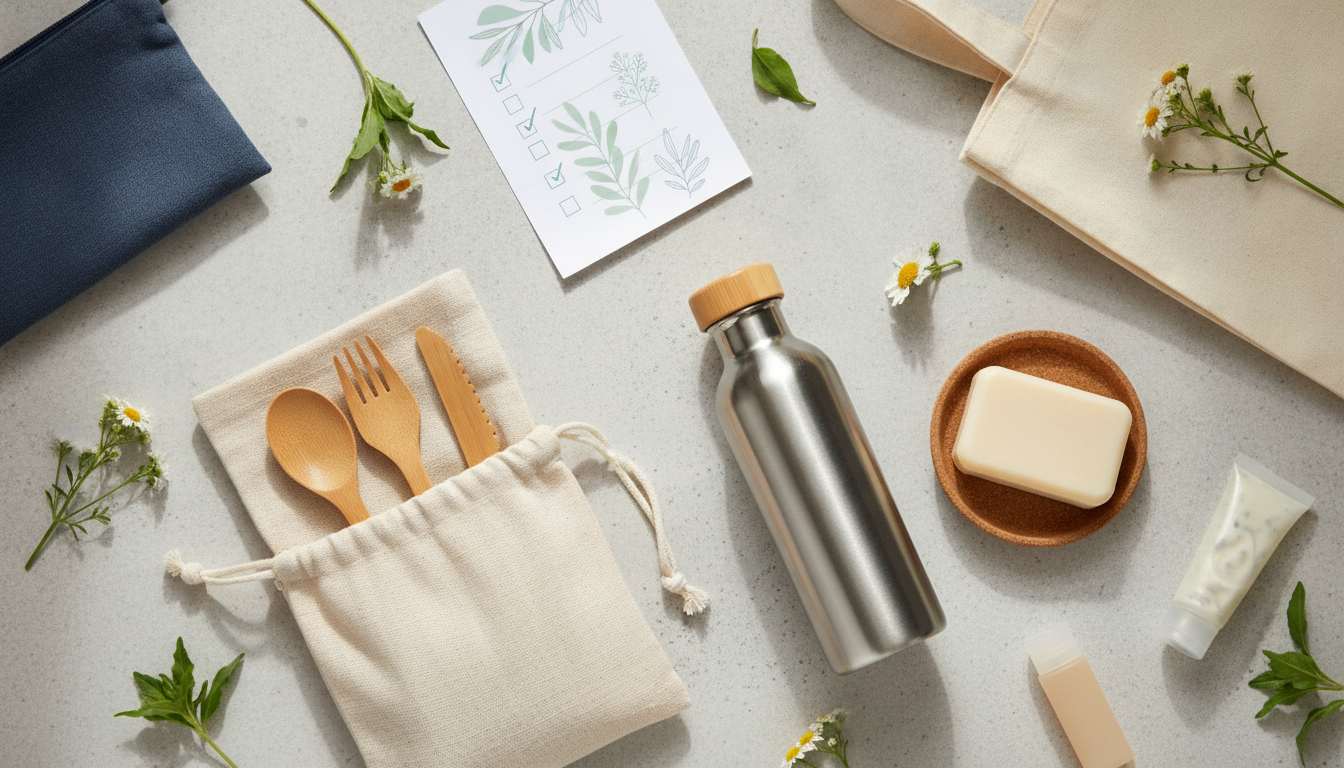
Packing lighter and wasting less usually starts before the suitcase opens. A reusable checklist makes it easier to remember reusables, avoid single-use purchases on the road, and stay consistent across weekend trips, work travel, and longer itineraries. This guide shares a practical, low-stress packing flow, greener transit habits, and quick swaps that cut trash without sacrificing comfort.
A checklist-first approach that makes sustainable travel easier
A simple, reusable checklist turns “eco-friendly travel” into something you can actually repeat—without overthinking it each time. Instead of reinventing your packing strategy for every destination, you build a kit that improves with small tweaks.
- Reduces last-minute purchases that often create extra plastic and waste
- Helps build a repeatable kit so each trip gets faster to pack
- Encourages “use what you already own” before buying new gear
- Supports lighter packing, which can reduce transport emissions and fatigue
- Creates a clear place to store trip-specific notes (climate, activities, laundry access)
For a ready-to-reuse format, the Eco-Friendly Traveler Checklist (digital download) is designed to be duplicated per trip, so seasonal edits and destination notes don’t clutter your “default” list.
Before you pack: plan for the trip you’re actually taking
Most travel waste happens when a plan is fuzzy—then convenience wins at the airport, the gas station, or the hotel lobby. A two-minute pre-pack plan helps you bring the right reusables and skip the “just in case” duplicates.
- Check climate, expected rain, and daily temperature swings; choose layers over bulky items
- Confirm lodging details: laundry access, kitchen basics, refill water availability, towels provided
- Decide the “carry-on only” goal where possible to simplify and reduce overpacking
- Map key needs by day type (transit day, city day, hike day, beach day) to avoid duplicates
- Set a simple waste plan: refill points, snack strategy, and what to do with compost/recycling
When you know what’s available (water refills, a mini fridge, laundry), you can bring less—and use what already exists instead of buying new stuff. For a broader view of why small daily choices matter, see UNEP’s overview of sustainable tourism.
Reusable essentials that replace common single-use travel items
Focus on the items that prevent the most common travel trash: drinks, snacks, takeout, and toiletry minis. These few reusables do a lot of heavy lifting.
- Water bottle (filter cap or collapsible backup for destinations with limited refill stations)
- Reusable utensil set and a lightweight food container for takeout and leftovers
- Reusable shopping bag and a small produce bag for markets
- Refillable toiletry bottles and solid toiletries (soap/shampoo bars) to reduce plastic
- Travel mug or insulated cup for coffee/tea runs
- Cloth napkin or bandana for snacks and quick cleanups
Quick swaps: what to pack to avoid single-use waste
| Common single-use item | Reusable alternative | Packing tip |
|---|---|---|
| Plastic water bottles | Refillable bottle (optional filter) | Clip to bag for easy access during transit |
| Disposable cutlery | Compact utensil set | Store in an outer pocket so it’s used often |
| Takeout containers | Lightweight food container | Choose a flat shape to fit easily in a day bag |
| Plastic shopping bags | Foldable tote | Keep one in every bag so it’s never forgotten |
| Mini toiletry plastics | Refillable bottles / solid bars | Label bottles; keep liquids in one zip pouch |
| Paper towels/napkins | Cloth napkin/bandana | Wash in sink with soap; air-dry overnight |
Zero-waste packing list by category (build a modular kit)
A modular kit means you keep “core” items packed (or stored together) and only swap in trip-specific pieces. Think of it like a base layer for travel: consistent, reliable, and easy to refresh.
Low-waste toiletries and personal care (without breaking rules or routines)
For more foundational guidance on reducing waste across daily life (which applies seamlessly to travel), the U.S. EPA’s Reduce, Reuse, Recycle resources are a solid reference point.
Greener transportation and lodging habits that add up
If travel stress makes it harder to stick with your low-waste routines (especially on transit days), consider adding a quick reset tool to your phone: Break the Tension: Stress Relief Techniques includes short breathing and grounding exercises that are easy to do in airports, stations, or hotel rooms.
Food and drink on the go: the easiest place to cut travel waste
A printable-style digital checklist that stays useful trip after trip
Product option: Eco-Friendly Traveler Checklist (digital download)
If you want a ready-made template, the Eco-Friendly Traveler Checklist (digital download) is a budget-friendly way to build a repeatable packing kit, reduce forgotten reusables, and keep your travel routines consistent from trip to trip.
FAQ
What are the most important items for a zero-waste travel kit?
Start with a refillable water bottle, a reusable shopping bag, a compact utensil set, a small food container, and refillable or solid toiletries. These replace the most common single-use items you’re likely to encounter while traveling.
How can packing light be more eco-friendly?
Lighter packing often reduces impulse purchases (like extra tote bags, toiletries, or bottled drinks) and makes it easier to walk or use public transit. Build capsule-style outfits around layers so you can re-wear pieces and still handle temperature changes.
Are solid toiletries easier for flying?
Yes—solid toiletries typically bypass liquid limits and are less likely to leak in your bag. Let bars dry before packing and store them in a breathable container so they don’t get mushy.












Leave a comment